
Makhana: Calories, Protein Value, Nutrition & Benefits
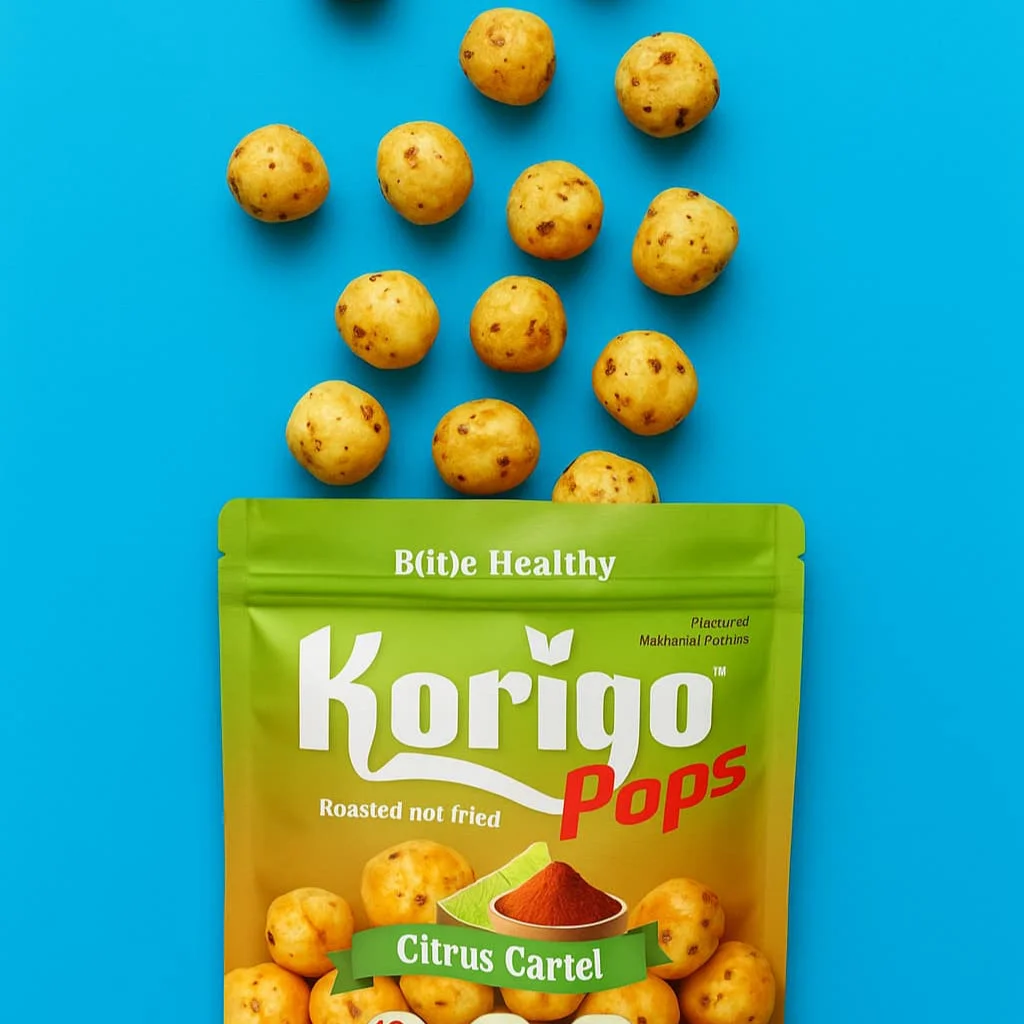
Makhana nutritional value per 100g will be determined based on how the seeds are taken. The nutritional content per 100g of makhana is likely to include 347-360 kcal and 9.7-10.5g of protein. Makhana is also known as fox nut or lotus seed; it is derived from Euryale ferox. 30g of makhana gives about 105-110 kcal and 3g of protein.
Through a variety of tastes of roasted makhana, we have introduced the product as an everyday snack at . The makhana that we serve is roasted and not deep-fried, and the nutrient content of roasted makhana is given on our website as 8-10% protein and 5-8% fibre.
Makhana Nutrition Facts (Per 100g and Per Serving)
Below is the chart that combines Indian food composition information with serving size information from USDA & Healthline. They need to be taken as representative and not as a specific nutritional value:
| Nutrient | Raw 100g | Dry-roasted 100g | 30g serving* | 1 cup (32g)** |
|---|---|---|---|---|
| Calories | ~347 kcal | ~360 kcal | ~108 kcal | 106 kcal |
| Protein | 9.7g | ~10.5g | ~3.2g | 4.93g |
| Carbohydrates | 76.9g | ~78g | ~23.4g | 20.6g |
| Fibre | ~14.7g | ~15g | ~4.5g | Not reported |
| Fat | 0.1g | ~0.5g | ~0.15g | 0.63g |
| Calcium | 56mg | ~58mg | ~17mg | 52.2mg |
| Magnesium | 67mg | ~70mg | ~20mg | 67.2mg |
| Phosphorus | 222mg | ~230mg | ~69mg | 200mg |
| Potassium | 500mg | ~520mg | ~156mg | 438mg |
| Iron | 1.4mg | ~1.5mg | ~0.45mg | 1.13mg |
*Approximate values based on dry-roasted data.
**USDA/Healthline data for 32g dried lotus seeds.
Value will vary because the type of database used could employ varying amounts, moisture content, processing procedures, and serving size. The food composition data from India estimates 347 kcal, 9.7g protein, and 76.9g carbohydrates per 100g whereas the USDA database values the dried lotus seeds at 106 kcal per 32g cup.
How Many Calories Are in Makhana?
Makhana has an appreciable amount of calories per 100g, but the serving size of makhana eaten by an individual is usually lower than that. Roasted dry makhana gives around 360 kcal per 100g, and the calories in 30g of it will be about 108. Thus, eating a handful of makhana could give approximately 90-110 kcal.
The processing method makes a lot of difference. For instance, the ghee-roasted version can have around 420 kcal per 100g, while oil-roasted or highly flavoured ones could have up to 450-480 kcal.
Makhana Protein Value: Is It Enough?
Makhana contains about 9.7 to 10.5g of protein per 100g; that means 3.2g in 30g of makhana. Makhana can be a good source of protein but not a high-protein food. In fact, roasted chana, peanuts, and almonds contain more protein per 100g.
Makhana protein cannot be regarded as a complete source of protein. To have a more varied spectrum of amino acids, one should combine makhana with foods like milk, curd, nuts, seeds, or sprouts.
Carbs, Fibre and Glycaemic Index
Makhana is mainly composed of carbohydrates, with 77g per 100g in Indian food composition databases. Makhana also consists of fibre; nevertheless, there are varying levels of the amount of fibre, depending on different food composition databases. The glycaemic index of makhana is estimated to be between 55 and 65. Makhana is gluten-free.
Vitamins and Minerals in Makhana
Makhana is an excellent source of various minerals like calcium, magnesium, phosphorus, potassium, and iron. One 32g portion of dried lotus seeds contains 52mg of calcium, 67mg of magnesium, 200mg of phosphorus, 438mg of potassium, and 1.13mg of iron. Additionally, makhana is a good source of antioxidants that include flavonoids and phenolics, like gallic acid.
Health Benefits of Makhana (What the Evidence Shows)
Makhana is an edible item packed with nutrients such as protein, fibre, and antioxidants, among others. can be beneficial for satiety and nutrition, provided that they are taken in the right amounts:
Weight Management
Since makhana contains fibre, some amount of protein and not a high amount of fat, it can be a healthy snack. But its portion size must be controlled because calories will increase significantly when ghee, oil, sugar or other coatings are used in it.
Blood Sugar
Though the GI value of makhana is rather moderate, and it contains some fiber, we need to treat claims about the ability of makhana to help in lowering blood sugar with some reservation, since a lot of studies supporting its therapeutic properties were conducted in laboratories or on animals.
Heart Health
Potassium and magnesium contained in makhana, as well as its low-fat nature, can make it a healthy food. But there is no evidence of any effect of makhana on prevention of cardiovascular diseases in humans.
Bones and Skin
Calcium, magnesium and phosphorus help in bone development. There are also antioxidants, which can prevent cells from oxidation, but it is still unclear whether they can be used for treating diseases.
Makhana vs Almonds, Peanuts, and Roasted Chana
| Food | Calories/100g | Protein/100g | Fat/100g |
|---|---|---|---|
| Makhana | ~347 kcal | ~9.7g | ~0.1g |
| Almonds | ~576 kcal | ~21g | ~49g |
| Peanuts | ~567 kcal | ~26g | ~49g |
| Roasted Chana | ~350–400 kcal | ~18–22g | ~5–7g |
This comparison clearly shows why makhana makes for an excellent snack that’s light and crispy, although it may not be the best source of protein.
How Much Makhana Should You Eat Daily?
An appropriate serving size is about 30-50g per day. Individuals seeking should keep their portions small and opt for plain or mildly roasted varieties. However, caloric consumption will remain significant in managing weight.
Side Effects and Who Should Be Careful
Consumption of excessive amounts of makhana may result in bloating or indigestion. Individuals suffering from kidney stone problems must consult a healthcare provider about regular intake due to oxalate content in makhana. Individuals suffering from chronic kidney disease must be cautious of their phosphorus and potassium intake as well. Salted and flavoured variants of makhana have high salt, fat, and oil content.
Makhana Nutritional Value Per 100g: What Should You Take Care Of?
At Korigo Snacks, our speciality is roasted makhana, a delicious snack with a delightful combination of texture, taste and convenience. Our nutritional facts reveal that makhana has around 8% to 10% protein and 5% to 8% fibre content, with variations in nutritional facts according to flavours. If convenience is what you desire, then and compare their nutritional values.
Knowledge of makhana nutritional value per 100g will assist you to make better choices on how much and how you prepare the food. Roasted makhana is an ideal snack, but flavoured makhana may require checking additional content such as oil and salt.
FAQs
Is makhana good for weight loss?
It can work well within a controlled-calorie diet provided that it is consumed in reasonable portions. One could use makhana for losing weight as a substitute for fried snacks although calorie consumption is still vital in general.
Is makhana good for diabetics?
Roasted makhana without any additions can be part of a diabetic diet, but it depends on how much of it you consume.
Is makhana a complete protein?
No. It is a source of protein, but it needs to be supplemented with additional protein-containing foods.
Raw or roasted—which is healthier?
Dry-roasted makhana with moderate amounts of oil is usually a reasonable choice as a snack. Any added ghee, sugar, oil or salt alters its nutritional value.
Does makhana increase uric acid?
There is no reliable information regarding raising uric acid levels due to ordinary portions of makhana. Medical recommendations depend on specific health problems.
Is makhana gluten-free?
Yes. Makhana is a gluten-free product by nature and can therefore be used by people with gluten intolerance.
Ready to experience 100% slow-roasted crunch?
Choose from 6 bold flavours and dual-pack combos. Shipped fresh across India.